
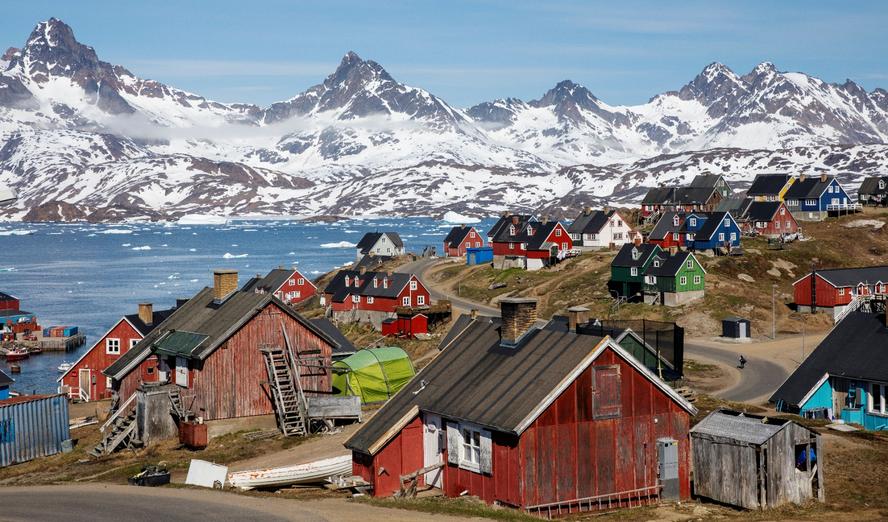

Greenland, long defined by its vast ice sheets and bitter Arctic cold, is experiencing a dramatic shift. The island has recorded its warmest January ever, with average temperatures reaching 0.2°C — just above freezing — according to the Danish Meteorological Institute. Historically, January temperatures averaged minus 7.7°C between 1991 and 2020.
The record warmth is accelerating snow loss and thinning sea ice, threatening centuries-old traditions and local livelihoods.
Dog sledding, once the backbone of Arctic transport and hunting, is rapidly declining. With less snow on the ground, sled routes are breaking apart. Mushers are struggling to maintain their teams as feeding costs rise and the dogsled season shrinks to barely two months. Some have been forced to give up their dogs entirely.
The lack of snow also affects the animals themselves. Sled dogs rely on snow for hydration during long journeys. Without it, dehydration becomes a serious risk.
Traditional hunting is under similar strain. Stable sea ice is essential for tracking seals, walrus, and polar bears. But unpredictable ice conditions now make travel dangerous. Cracks form without warning, and routes once considered safe are no longer reliable.
Hunters say fewer successful hunts mean less food for families and higher dependence on costly imported goods. What was once subsistence living is becoming economically unsustainable.
Scientists warn that Arctic temperatures are rising nearly four times faster than the global average. Snow cover continues to shrink annually, and sea ice formation is declining. These changes are not temporary, researchers say, but part of a long-term warming trend.
The economic consequences are growing. Dog sled tourism is declining as visitors encounter bare ground instead of snow-covered landscapes. Young people are leaving villages for urban centers, accelerating demographic shifts.
Greenland has also reported a surge in orca sightings in fjords previously sealed by ice. Marine researchers say the increased presence of killer whales signals a profound ecological shift and may further destabilize fragile coastal ice systems.
Experts stress that adaptation options are limited. Snowmobiles and boats offer alternatives but are costly and vulnerable to harsher storms and rougher seas.
Scientists emphasize that global emissions reductions are essential to slow Arctic warming. Meanwhile, communities are calling for greater investment in food security, local resilience, and alternative livelihoods.
For Greenland, climate change is no longer a distant threat — it is reshaping culture, economy, and survival in real time.